
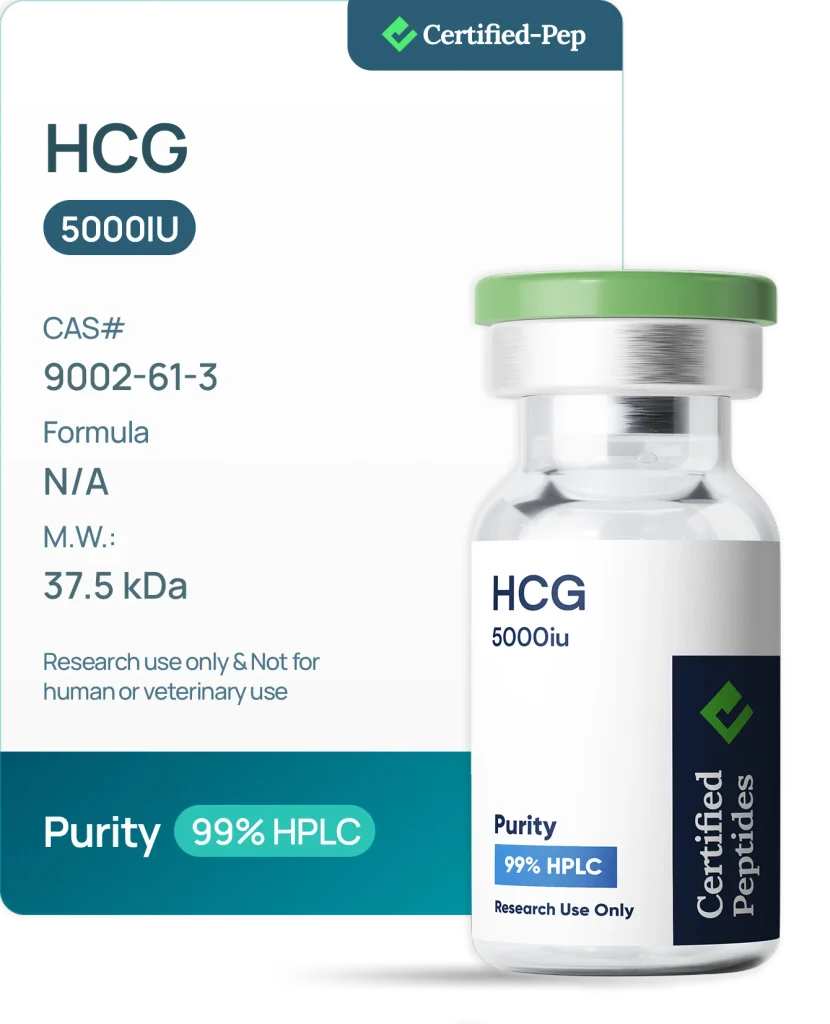
Human Chorionic Gonadotropin (HCG) for sale in USA is a hormone that plays a significant role in reproductive health and endocrine function. In clinical medicine, purified HCG preparations, such as the 5000 IU dosage, are regulated prescription medications utilized for specific, well-defined therapeutic indications. Understanding the clinical context, biological mechanisms, and safety parameters of HCG is essential for proper medical oversight.
Clinical Indications of HCG
HCG is biologically similar to luteinizing hormone (LH), which is produced by the pituitary gland to stimulate reproductive organs. In medical practice, HCG injections are primarily prescribed for the following purposes:
- Treating Male Hypogonadism: For individuals with hypogonadotropic hypogonadism, HCG can stimulate the Leydig cells in the testes to produce natural testosterone, aiding in the restoration of hormonal balance, energy, and secondary sexual characteristics.
- Supporting Fertility Preservation: In men undergoing Testosterone Replacement Therapy (TRT), exogenous testosterone often suppresses the natural signal to produce LH, leading to testicular atrophy and decreased spermatogenesis. HCG is sometimes co-prescribed to maintain testicular function and preserve fertility.
- Inducing Ovulation in Women: In female reproductive medicine, particularly during assisted reproductive technologies like In Vitro Fertilization (IVF), a timed injection of HCG is used to trigger the final maturation and release of eggs from the ovaries.
The Context of Weight Loss Protocols
HCG has historically been associated with specific, highly restrictive dietary protocols for weight management. However, major health organizations, including the U.S. Food and Drug Administration (FDA), note that there is no substantial clinical evidence demonstrating that HCG increases weight loss beyond the effects of severe caloric restriction. Restrictive diets combined with HCG can carry significant health risks, including nutritional deficiencies and metabolic strain, and such uses are not approved by mainstream medical guidelines.
Safety, Administration, and Risks
Because HCG significantly impacts the endocrine system, its administration requires strict medical evaluation, regular blood monitoring, and a legitimate prescription. Proper handling, typically involving the reconstitution of a lyophilized powder under sterile conditions, must follow precise clinical instructions provided by a healthcare professional.
Potential adverse effects associated with HCG therapy include:
- Local reactions at the injection site (redness, swelling, or pain)
- Fluid retention and edema
- Hormonal fluctuations leading to mood changes or headaches
- Elevated estrogen levels in men, which can result in gynecomastia if unmonitored
Obtaining HCG from unverified online sources or without a formal prescription poses severe risks, including exposure to counterfeit, contaminated, or improperly dosed products. Safe utilization relies entirely on professional medical diagnosis, lab testing, and sourcing through licensed, regulated pharmacies.